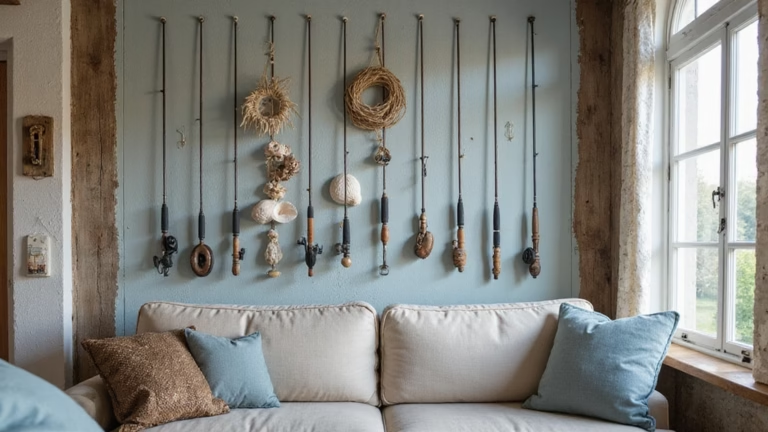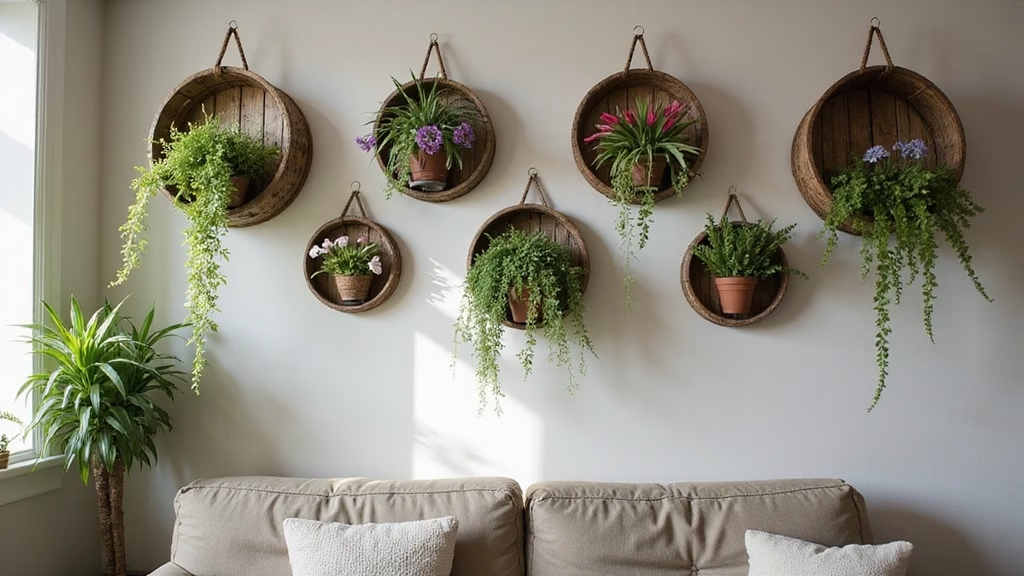

Repurposed fishing creels offer distinctive textural elements for elevated wall displays. These vintage pieces combine rustic character with functional design when transformed into unconventional planters. Beyond their visual appeal, they provide sustainable solutions for introducing greenery into modern interiors. Discover sophisticated approaches to integrating these conversation-starting pieces into your decor scheme.
1. Historical Character Integration
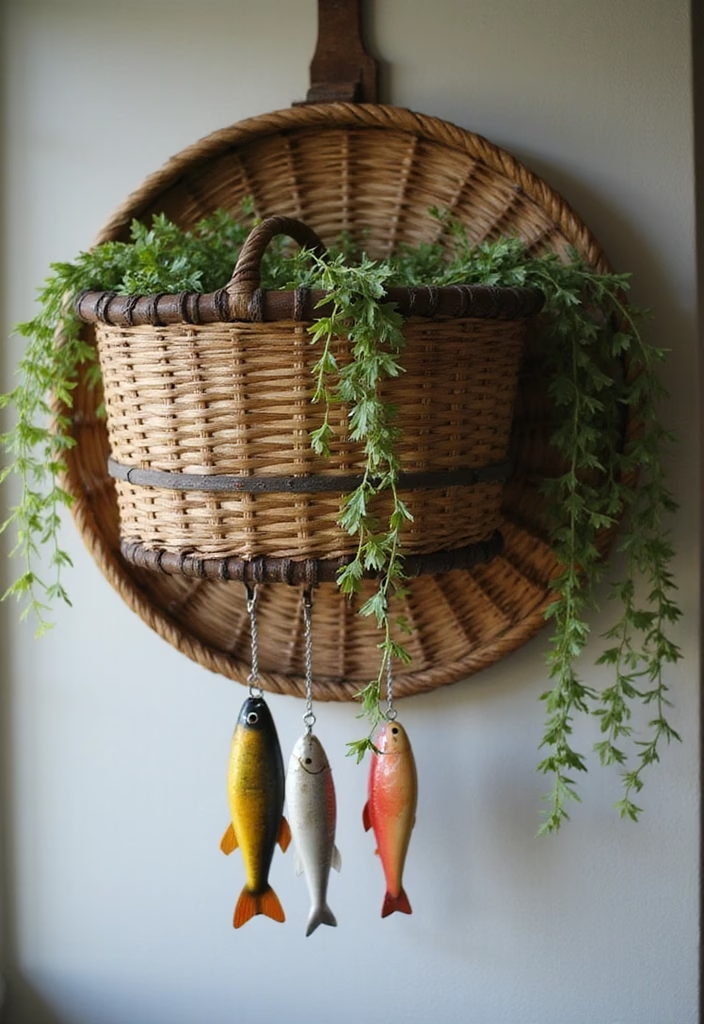
Authentic fishing creels possess inherent historical value that adds narrative depth to interiors. When repurposed as planters, they:
– Showcase traditional craftsmanship through woven patterns
– Develop natural patinas that can’t be replicated artificially
– Offer architectural dimension with their structured forms
– Create visual contrast against contemporary backdrops
Position as standalone statement pieces to highlight their unique construction.
2. Vertical Garden Composition
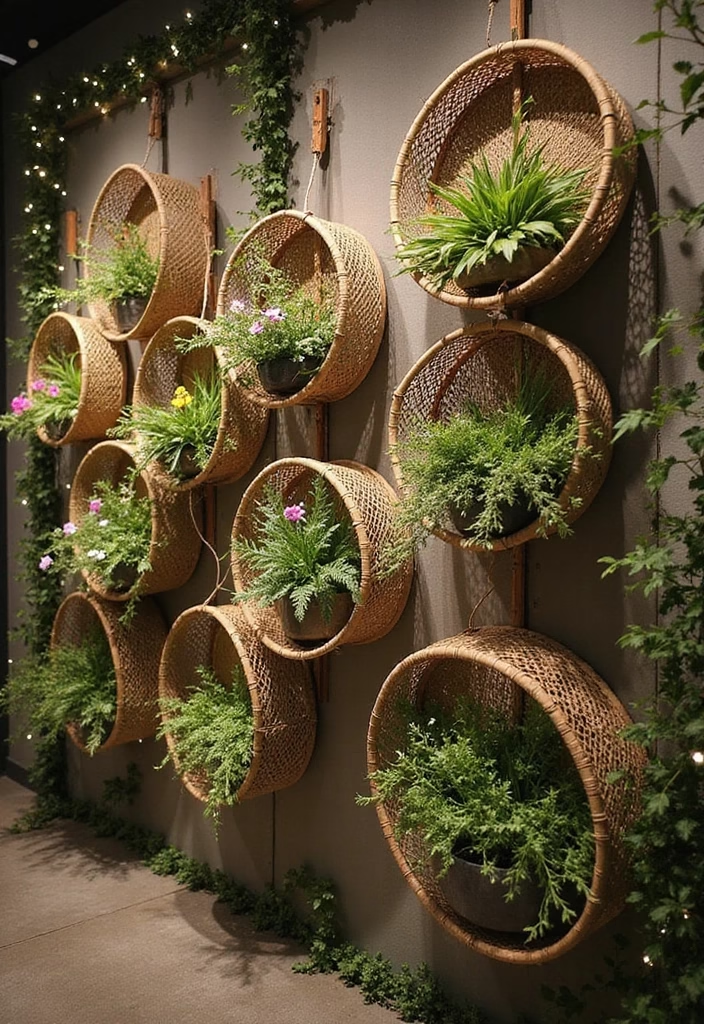
Create structured botanical displays with these techniques:
– Tiered arrangement: Place larger creels at bottom for stability
– Light consideration: Position according to plant requirements
– Moisture management: Use removable liner inserts
– Botanical selection: Combine trailing pothos with upright air plants
This approach transforms walls into living art installations.
3. Curated Display Principles
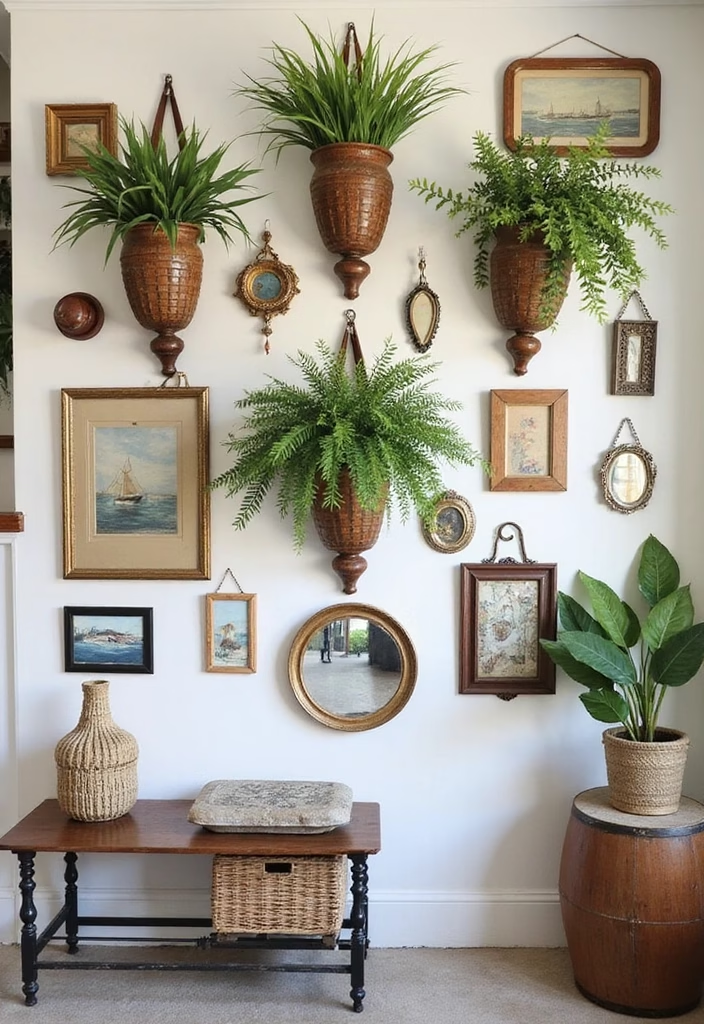
Integrate creels harmoniously with existing decor:
– Material echoing: Pair with rattan or reclaimed wood accents
– Color bridging: Repeat creel tones in textiles or artwork
– Negative space: Allow breathing room around each piece
– Height variation: Combine with floating shelves at different levels
This creates cohesive vignettes rather than cluttered arrangements.
4. Sustainable Design Impact

Repurposing creels contributes to eco-friendly interiors by:
– Diverting vintage items from landfills
– Reducing demand for new plastic planters
– Supporting circular economy principles
– Lowering carbon footprint through local sourcing
This aligns with environmentally conscious values important to modern consumers.
5. Seasonal Rotation Strategy

Refresh displays with minimal effort through:
– Modular planting: Use removable nursery pots for easy swaps
– Botanical sequencing: Flowering annuals in spring, evergreens in winter
– Natural elements: Incorporate dried branches during autumn
– Textile updates: Change surrounding linens seasonally
This maintains visual interest year-round with efficient updates.
6. Restoration Methodology
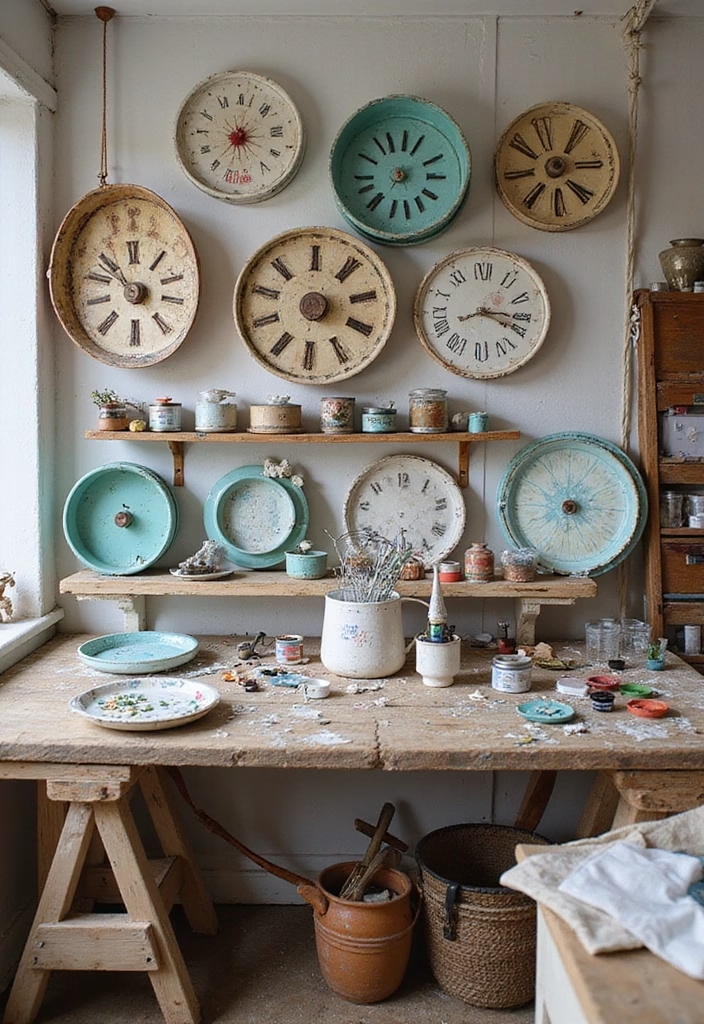
Preserve vintage integrity while ensuring functionality:
– Gentle cleaning: Soft bristle brushing followed by mild soap solution
– Structural reinforcement: Natural fiber reweaving for damaged areas
– Finish preservation: Beeswax treatment instead of paint
– Lining solutions: Copper inserts for moisture protection
These techniques maintain authenticity while extending usability.
7. Personal Expression Techniques
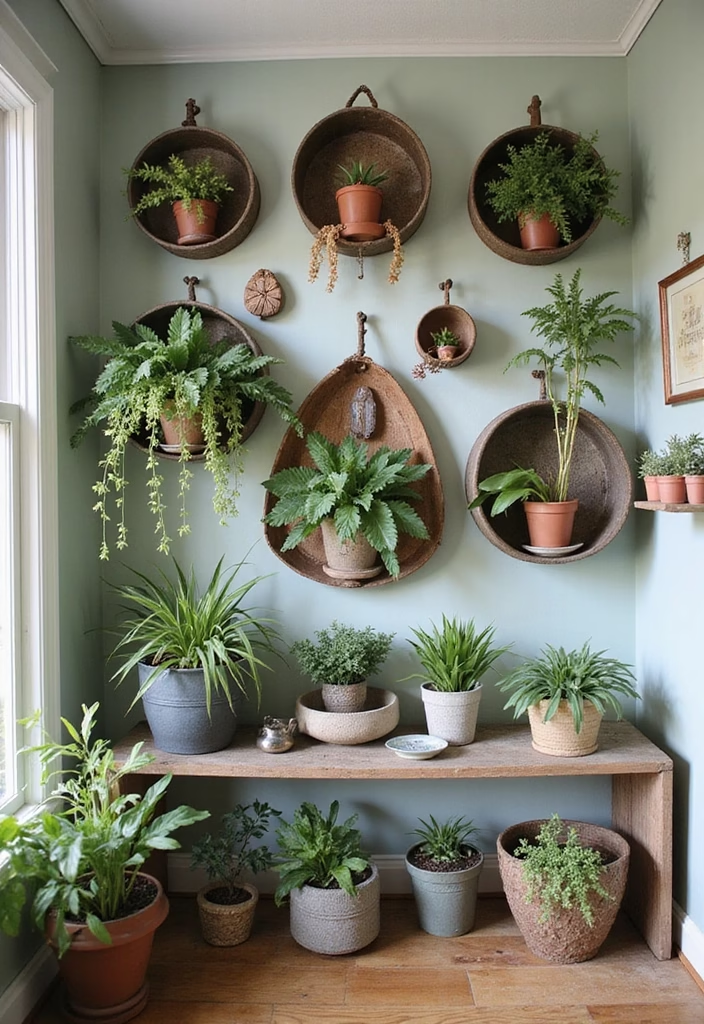
Incorporate individual style through:
– Botanical curation: Heritage plant varieties with personal significance
– Artistic additions: Minimalist metal tags with coordinates or dates
– Textural combinations: Mixed moss varieties creating living collages
– Cultural references: Plants native to meaningful locations
These subtle touches add personal narrative without clutter.
8. Budget-Conscious Styling
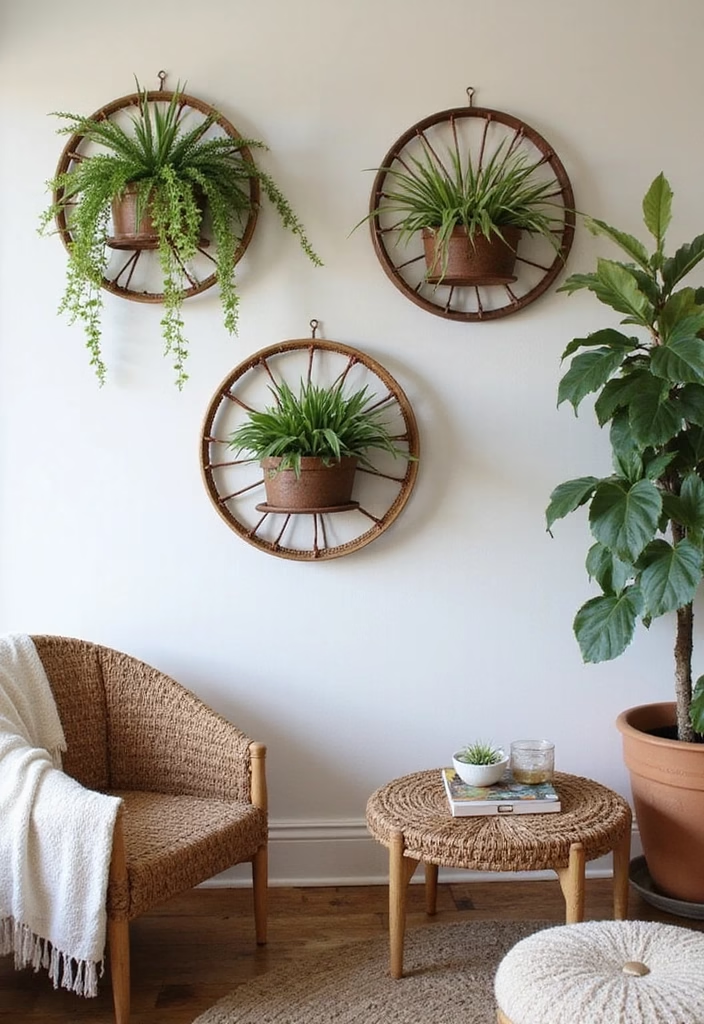
Create high-impact displays economically:
– Strategic sourcing: Focus on estate sales in coastal regions
– Propagation advantage: Use cuttings from existing plants
– Multi-functional use: Alternate between planters and storage
– Investment pieces: Prioritize well-constructed antique specimens
This approach delivers designer looks at accessible price points.
9. Elevated Gifting Applications

Transform creels into meaningful gifts through:
– Specialized planting: Rare botanical specimens
– Custom documentation: Heritage certificates for antique pieces
– Professional presentation: Natural fiber wrapping systems
– Care inclusion: Illustrated maintenance guides
This creates memorable gifts with lasting significance.
10. Weather-Resistant Applications
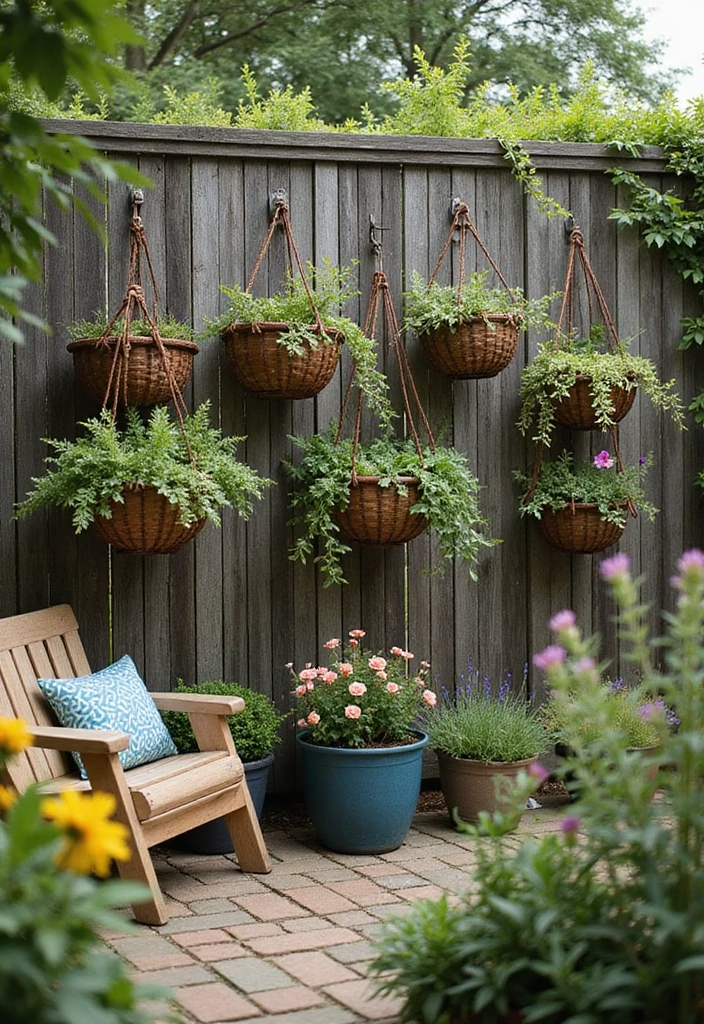
Adapt creels for exterior use with these solutions:
– Material treatment: Marine-grade sealants for weatherproofing
– Mounting systems: Hidden stainless steel brackets
– Botanical selection: Native species requiring minimal irrigation
– Seasonal protection: Removable inserts for winter storage
These methods extend functionality to porches and garden spaces.
11. Intentional Acquisition Approach
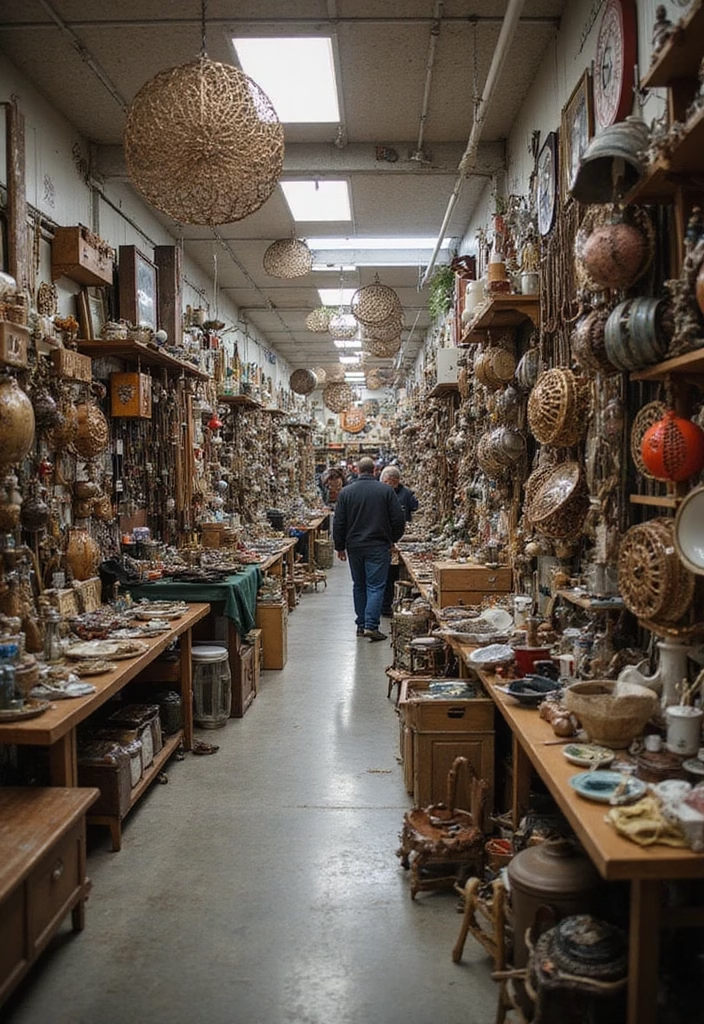
Source creels responsibly through:
– Specialized vendors: Antique fishing tackle specialists
– Verification standards: Authenticity markers for vintage pieces
– Condition assessment: Structural integrity evaluation checklist
– Ethical considerations: Fair compensation for quality pieces
This ensures quality acquisitions while supporting preservation.
12. Professional Design Inspiration

Reference elevated implementations from:
– Museum collections: Historical maritime exhibits
– Architectural features: Hospitality design installations
– Botanical gardens: Curated plant displays
– Design publications: International interior magazines
These sources provide sophisticated styling approaches.
13. Botanical Integration Science
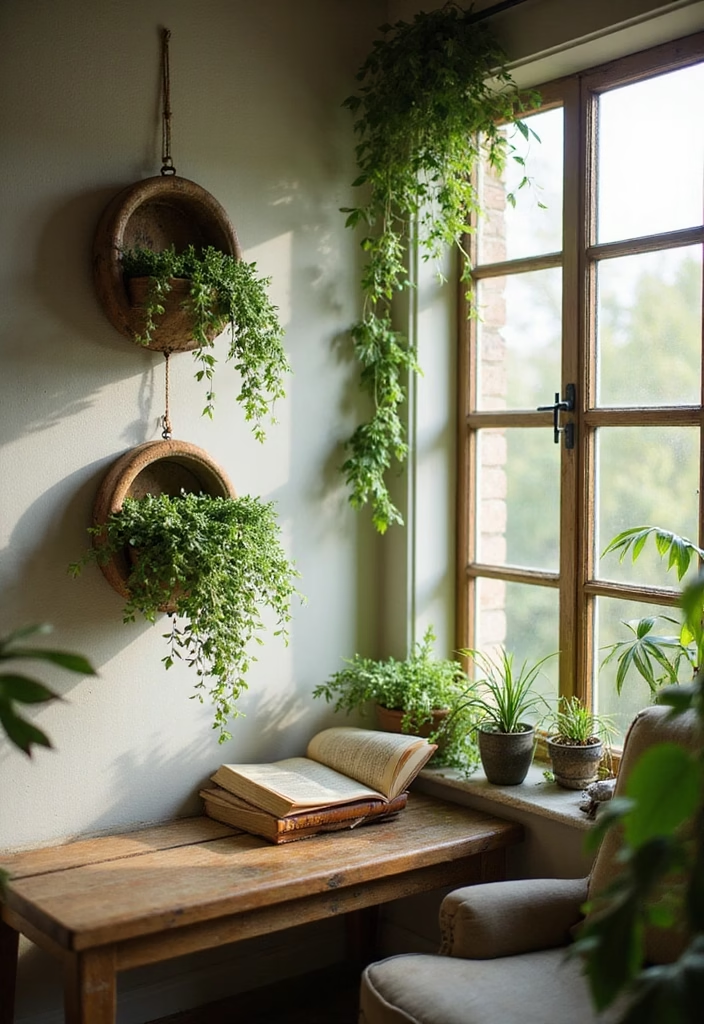
Ensure plant health with these principles:
– Microclimate matching: Select species suited to installation location
– Root space consideration: Shallow-root varieties for limited depth
– Watering systems: Self-regulating wicking mechanisms
– Air quality enhancement: NASA-approved purifying species
This scientific approach creates sustainable displays.
Conclusion: Elevated Repurposing
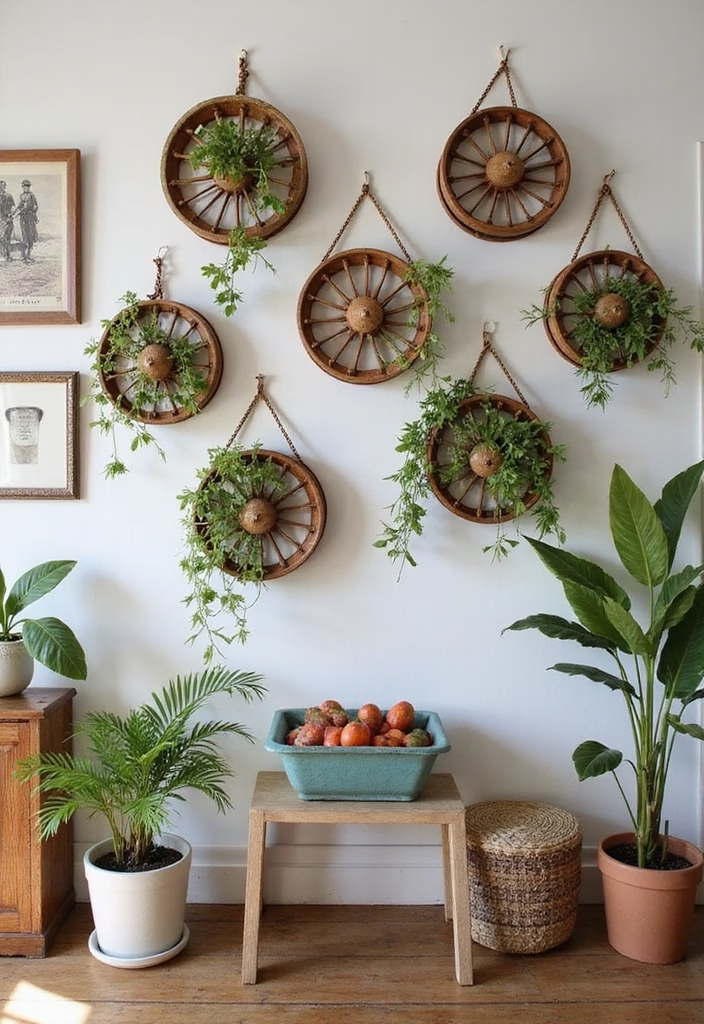
Repurposed fishing creels offer distinctive opportunities to combine historical appreciation with contemporary design. Their structural integrity and textural richness create unparalleled display possibilities when approached with intentionality. By implementing these refined techniques, you transform functional artifacts into sophisticated design elements that celebrate both sustainability and aesthetic innovation.